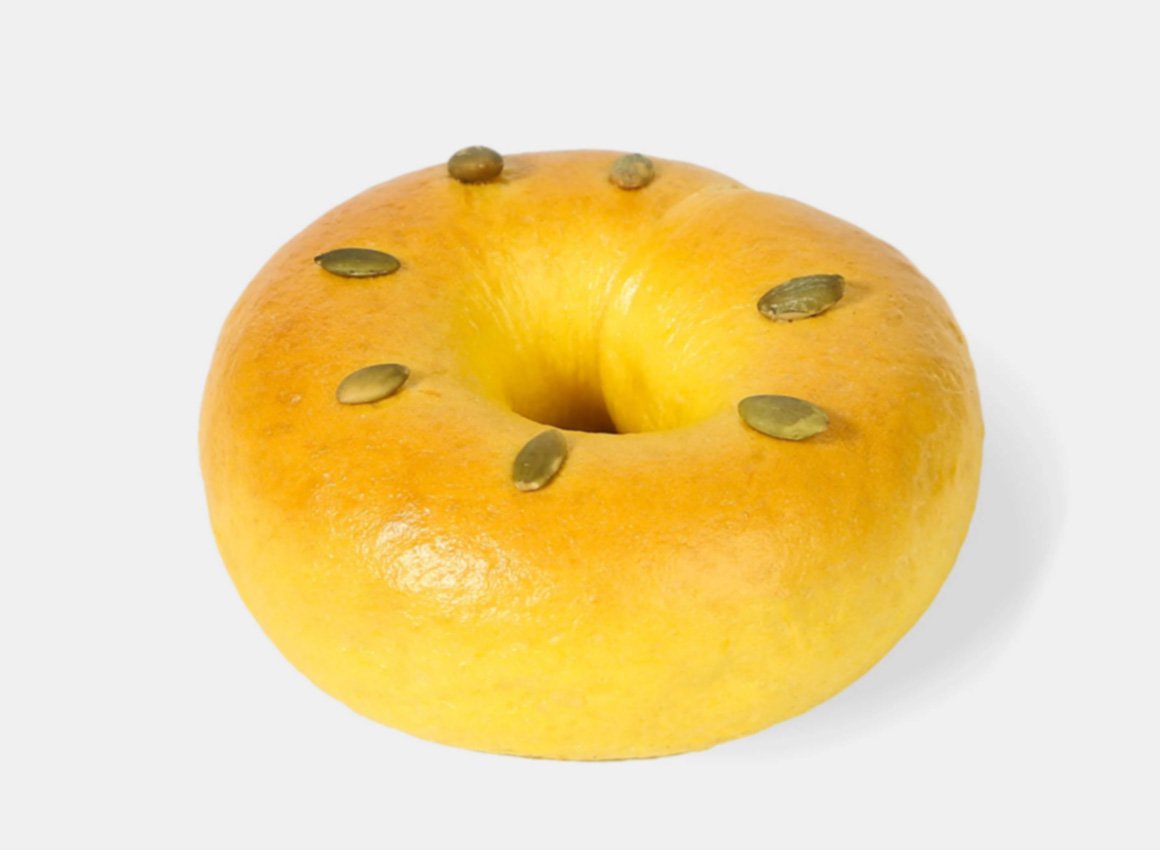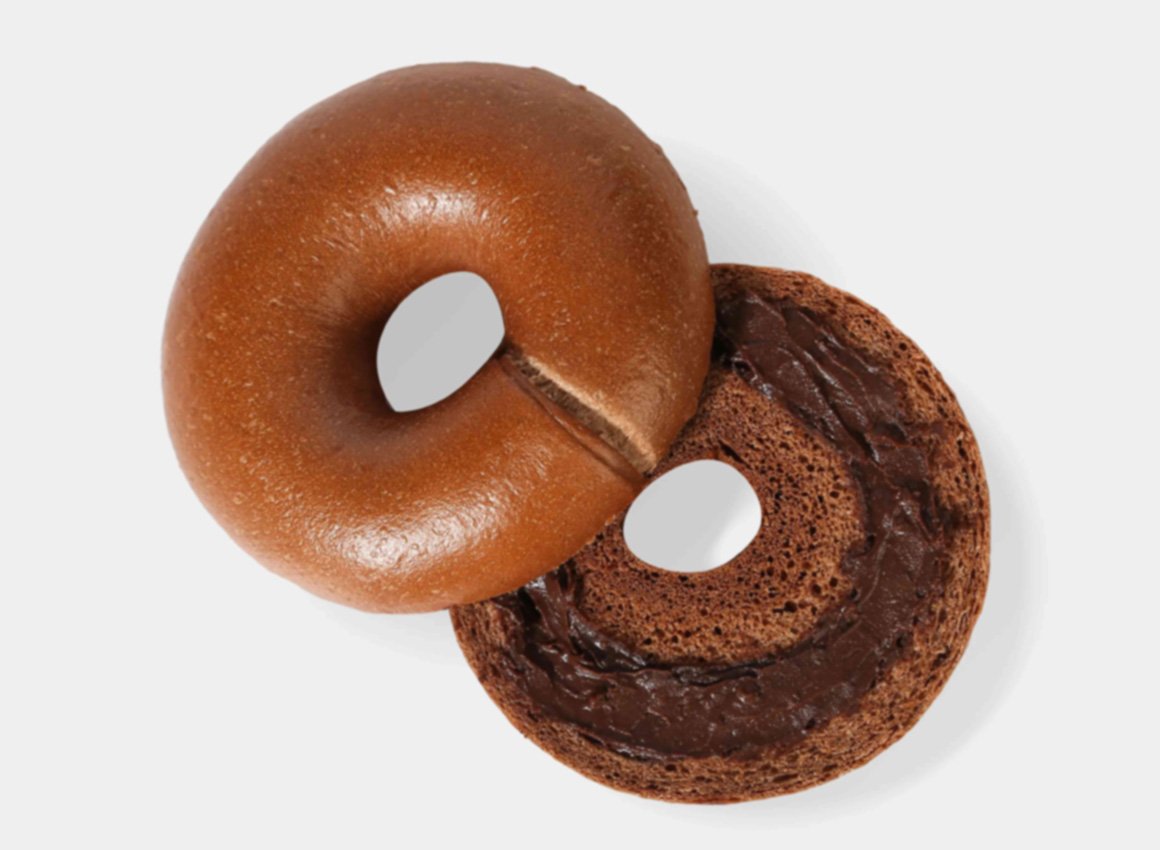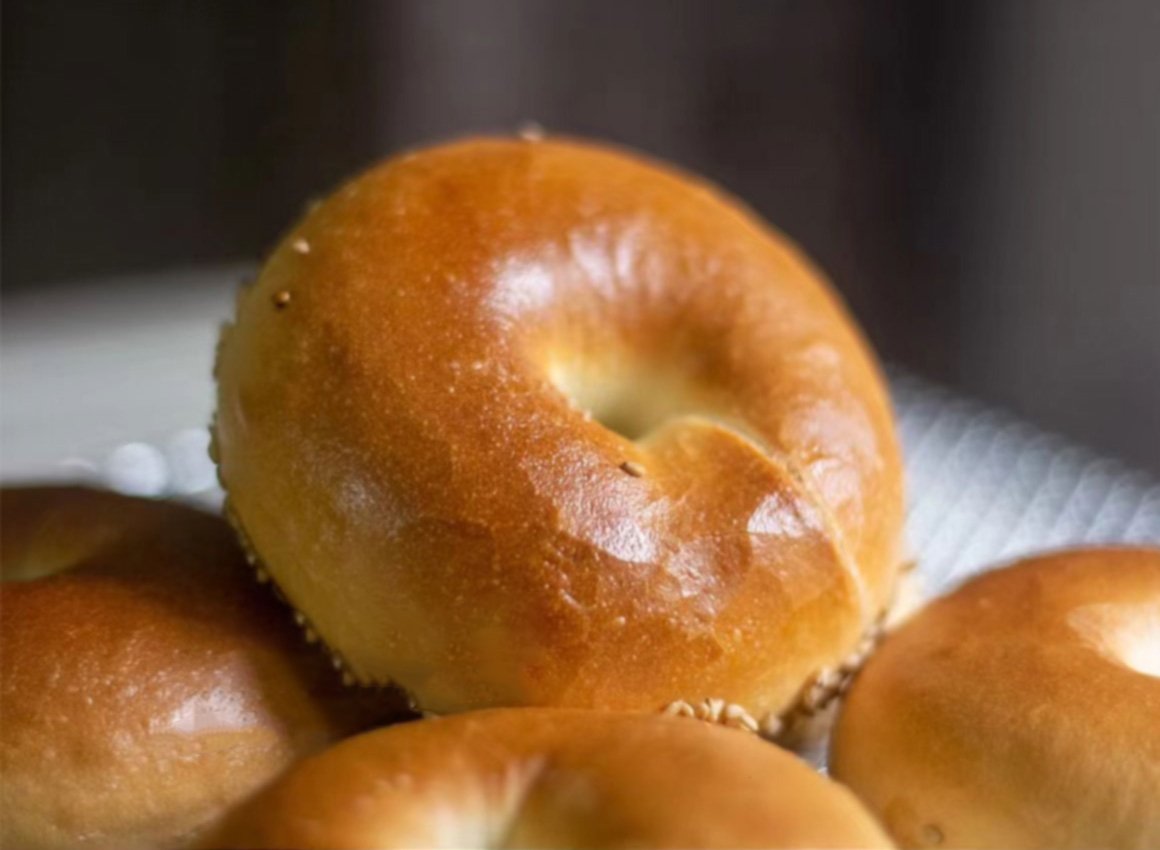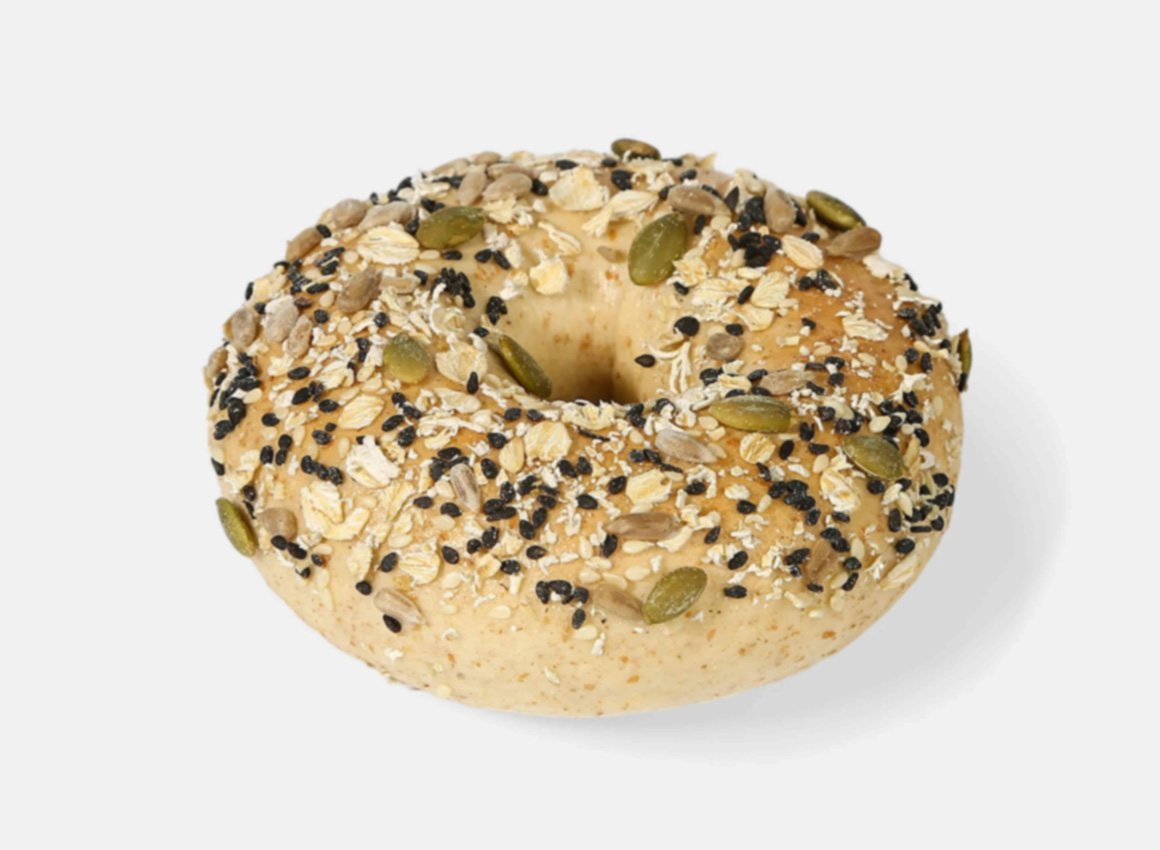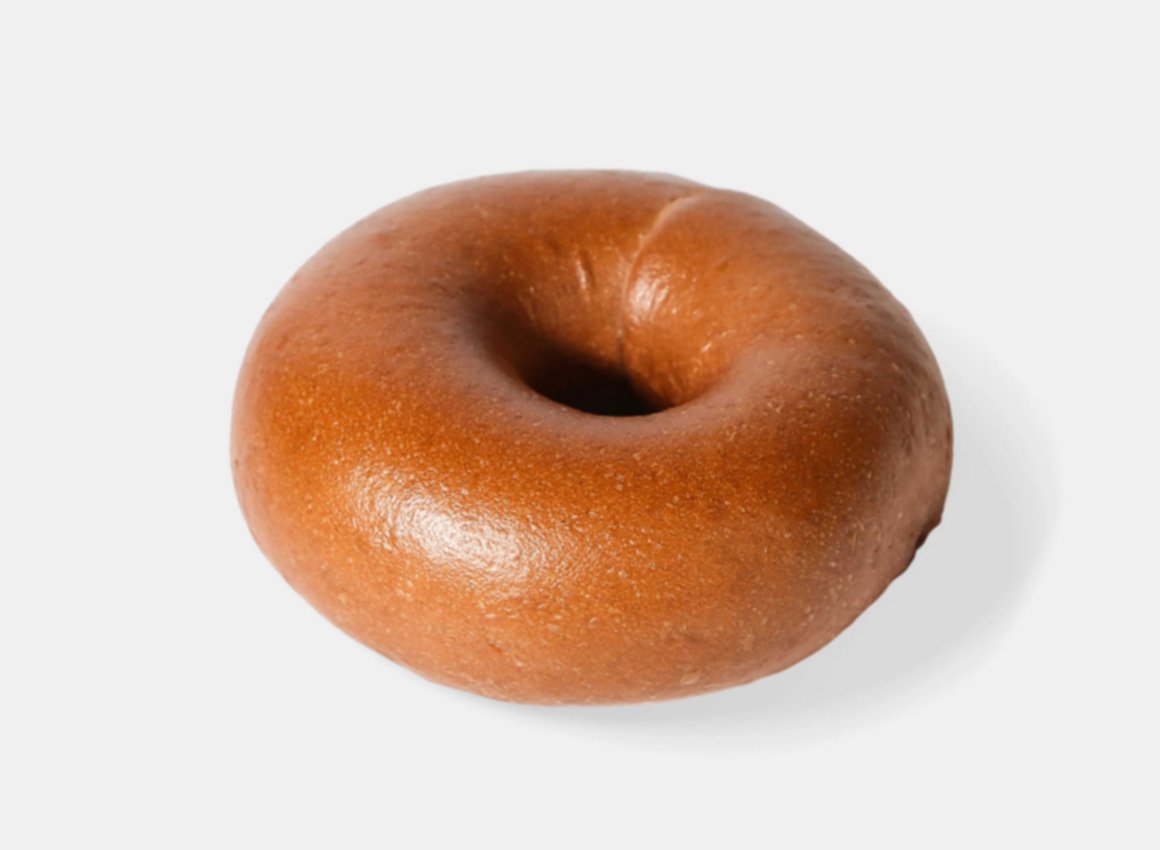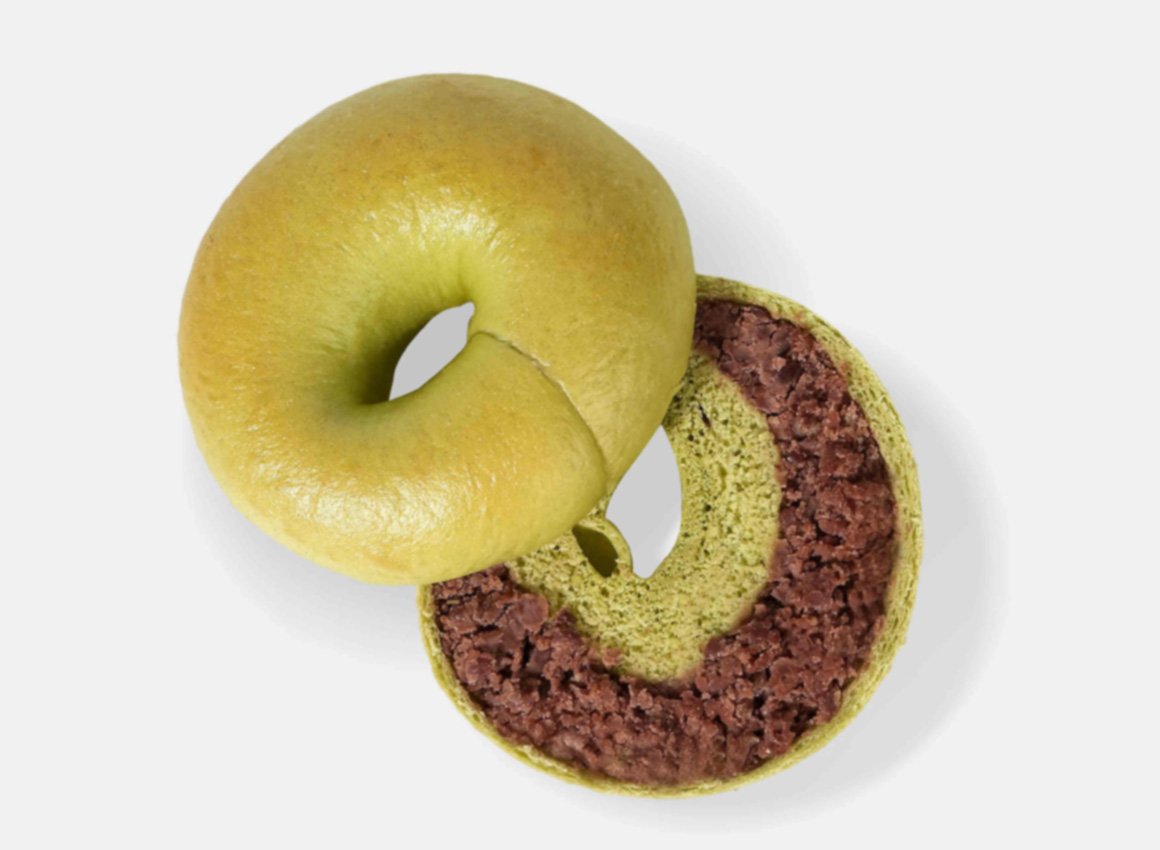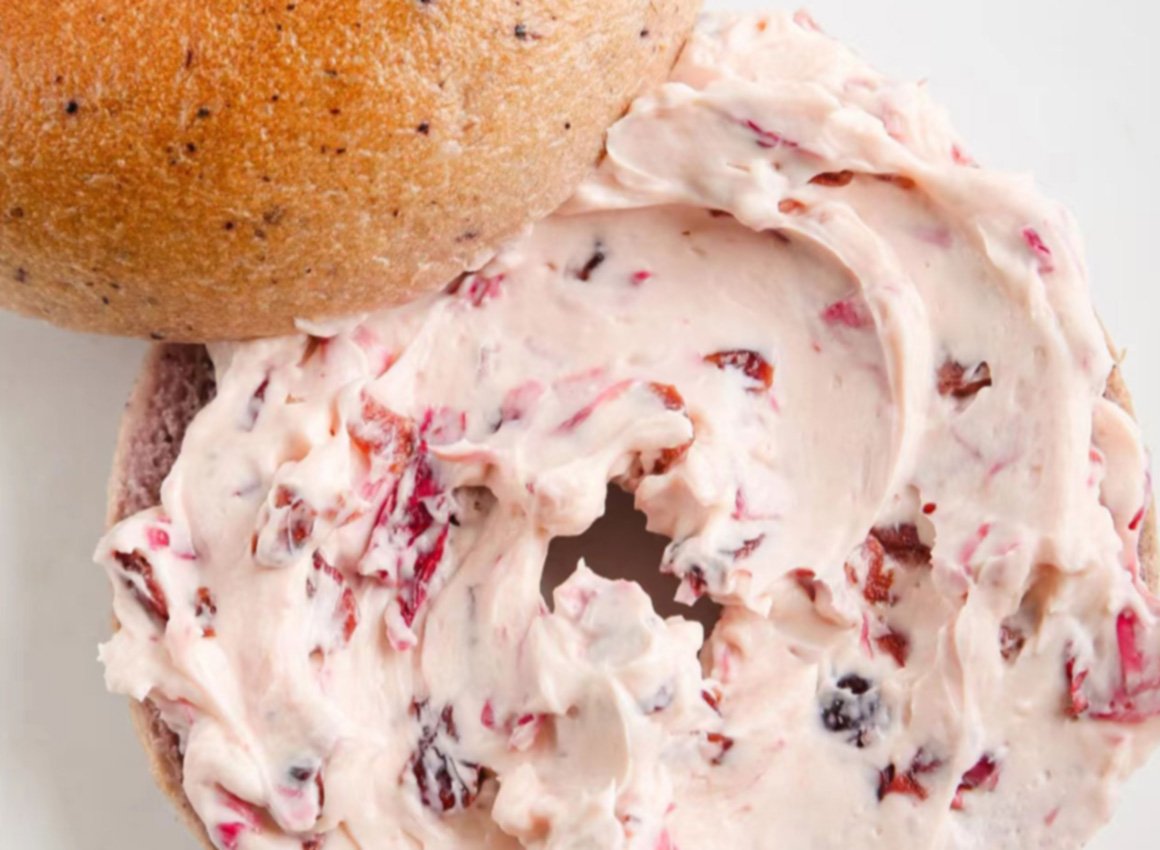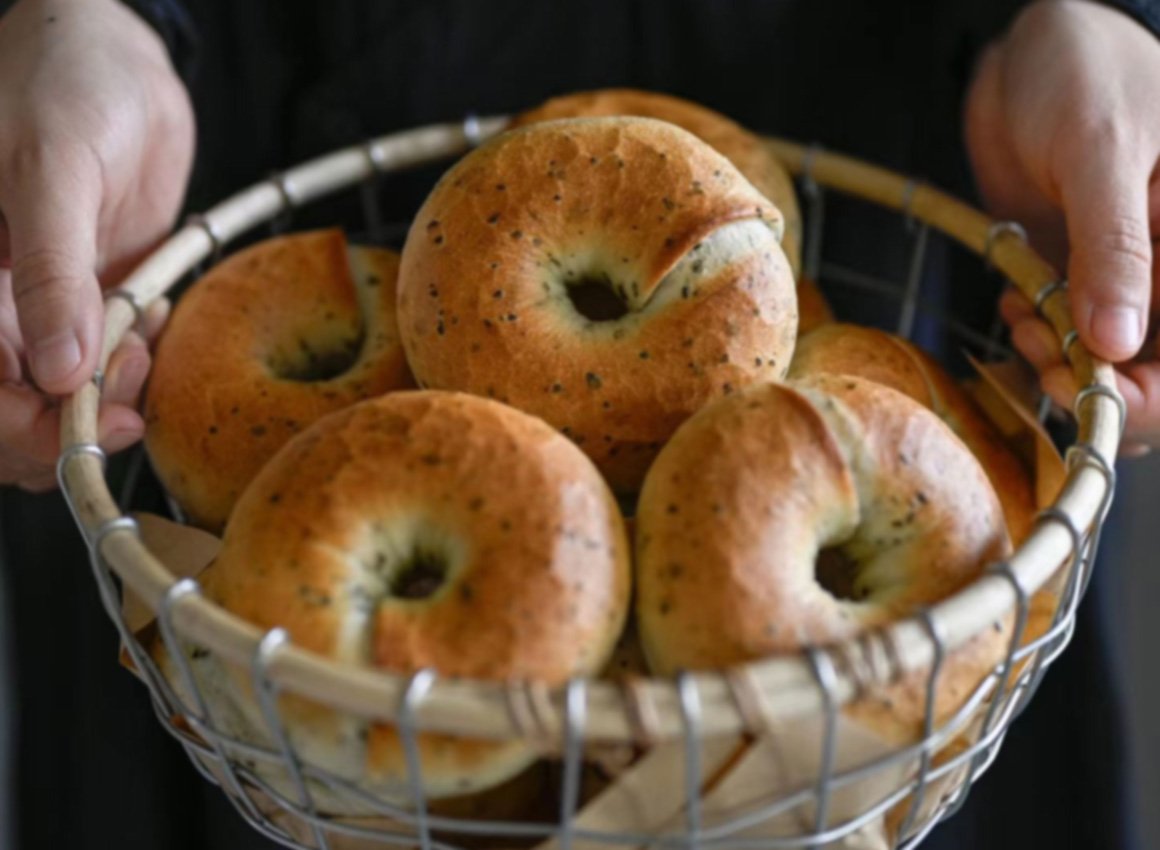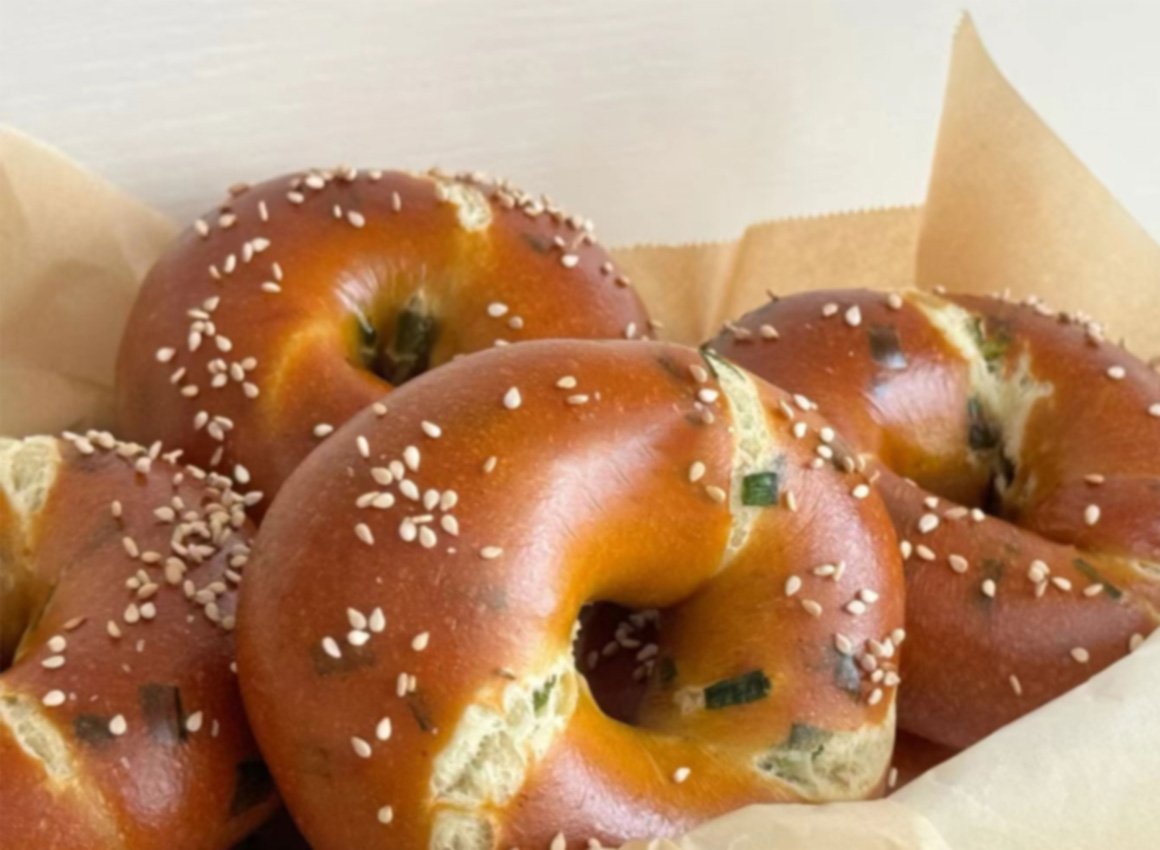
The Scallion-Lye-Bagel is a unique variation of the traditional bagel, characterized by its distinctive flavor and preparation method. Here's a detailed breakdown:
1. Definition & Origin
A bagel is a doughnut-shaped, yeast-leavened roll with a crisp, shiny crust and a dense interior, originally a Jewish specialty.
The "Lye" in the name refers to the key step in bagel-making where the dough is briefly boiled in a water-alkaline solution (traditionally lye) before baking. This process gives the bagel its signature chewy texture and glossy crust.
The "Scallion" indicates the addition of finely chopped scallions (also called green onions) to the dough or as a topping, adding a mild, onion-like flavor.
2. Preparation Process
The Scallion-Lye-Bagel follows the standard bagel-making process with a twist:
Kneading & Fermentation: The dough is made with flour, water, yeast, salt, and sometimes a small amount of sugar or malt syrup. Scallions are incorporated into the dough or sprinkled on top.
Boiling in Lye Solution: The shaped dough is briefly boiled in a lye solution (or a baking soda substitute for a milder effect). This step is crucial for the bagel's texture.
Baking: The boiled dough is then baked until golden brown, resulting in a crisp exterior and chewy interior.
3. Flavor & Serving
The scallion adds a fresh, slightly pungent note, complementing the bagel's savory profile.
It is commonly enjoyed as a breakfast or snack, often sliced and topped with cream cheese, smoked salmon (lox), or other spreads.
4. Pronunciation
Scallion: Pronounced as /ˈskæl.i.ən/ (US/UK).
Bagel: Pronounced as /ˈbeɪ.ɡəl/ (US) or /ˈbɑː.ɡəl/ (UK).
5. Cultural Context
Bagels have been popular since the 18th century, valued for their simplicity and versatility as a base for various toppings.
The Scallion-Lye-Bagel is a modern adaptation, reflecting the evolution of bagel flavors beyond the classic plain or sesame varieties.